
Jersey hotels: how to choose a good one
Japan's kit sells out faster than almost any other national shirt. The reason isn't only the team. It's the color, the cut, and a fan culture that treats a jersey like a piece of design, not merchandise. That's also why so many buyers end up with the wrong size, the wrong season, or a replica that looks nothing like the photos.
This guide walks you through the versions you'll actually see for sale, what separates an authentic Japan FIFA jersey from a convincing copy, and how to get the fit right when you're ordering from overseas. Ten minutes of reading saves you a return shipping label.
Which Japan jersey version are you actually buying?
Four different shirts get sold under the same search term, and they cost anywhere from $30 to $200. Knowing which one you're looking at is the whole game.
The Japan home jersey is the deep blue shirt the team wears in most matches. The away kit flips to a lighter or white base depending on the cycle. Then there's the japan long sleeve jersey, which is usually a separate production run rather than a sleeve option on the same shirt, availability is narrower and it often disappears first.
The japan y3 jersey is the one that confuses people most. Y-3 is the Adidas collaboration line with Yohji Yamamoto, and it has produced black, fashion-forward Japan shirts that sit outside the standard match-day range. They're a design piece as much as sportswear, priced accordingly, and they don't follow the same sizing as the standard kit.
Then there's the japan x blue lock jersey, a crossover with the Blue Lock manga and anime, aimed at a younger audience and often released in limited quantities. If you see one at a suspiciously low price, it's almost certainly a print-on-demand copy rather than the licensed drop.
Prices shift with the tournament cycle, so treat those as bands rather than fixed numbers. The version you pick decides everything that follows, fit, care, and how long the shirt survives.
Why Japan plays in blue, and what the away kit does
Japan's blue goes back to the 1930s and stuck partly because of the samurai association, the team is nicknamed Samurai Blue. It's a national identity choice, not a manufacturer's whim, which is why the shade barely drifts between cycles.
That matters when you're buying. A "Japan FIFA jersey" in a color that isn't blue, white, or a deliberate design black is usually a third-party invention. The japan jersey football market is full of these, and they're sold with official-looking product photos.
The away shirt is where designers experiment. Recent away kits have used white bases with subtle graphic patterns, and those tend to be the ones that linger on shelves longer, good news if you want something less common on match day.
One practical note: white away shirts show stains and print wear far more than the blue home shirt. If you plan to wear it weekly rather than frame it, that's a real factor.
Sizing: the part most buyers get wrong
Japanese sizing runs roughly one size smaller than US or European equivalents. A Japan XXL is closer to a US XL, and sometimes tighter through the chest than that suggests.
If you're hunting a japan xxl jersey, measure a shirt you already own, pit to pit, laid flat, and compare it to the seller's chart rather than the letter on the label. Chest width in inches is the only number that transfers reliably across brands and regions.
| Label | Chest width, laid flat (in) | Fits like (US) | Best for |
|---|---|---|---|
| M | 19-20 | S | Snug match-day fit |
| L | 20.5-21.5 | M | Everyday wear |
| XL | 22-23 | L | Layering over a tee |
| XXL | 23.5-24.5 | XL | Relaxed fit |
Player-version shirts are cut tighter than fan replicas in the same size. If you're between sizes on a player version, size up. On a fan replica, stay put.
Get this wrong and nothing else about the shirt matters.
Spotting a fake before you pay
Most counterfeit Japan shirts fail on three details, and none of them require an expert eye.
- The crest. On an authentic shirt the crest is embroidered with clean edges; on copies it's often a heat-pressed patch with a visible plastic rim.
- The inner tag. Authentic shirts carry a woven label with a product code. Search that code, if it returns nothing, walk away.
- The stitching on the hem and sleeves. Double-stitched, even, no loose threads. Copies cut this corner first because it's the least visible in photos.
Ask the seller for a photo of the inner tag and the crest close-up before buying. Honest sellers send them within minutes. The ones who don't are answering your question.
If you're buying in person, check the fabric weight too, authentic match shirts feel noticeably lighter and drier in the hand than the heavy polyester used in copies.
What a fair price looks like
Official Japan shirts sit in a predictable band, and anything far below it is a signal rather than a bargain. A current fan replica typically lands around $85-$100, player versions around $140-$170, and Y-3 collaborations above $180.
Two things legitimately move the price: tournament timing, when demand spikes and stock thins, and vintage shirts from earlier World Cup cycles, which are priced by scarcity rather than retail logic. A genuine shirt from a past tournament can cost more than a new one.
When you're traveling and booking around a match or a fan event, it's worth checking what your accommodation offers before you commit, some places near stadiums and transit hubs handle luggage and late check-in far better than others, which matters on a match-day schedule. The same logic applies whether you're comparing a Quality Inn near a major venue or a Travelodge-branded hotel on a road trip: location and check-in policy beat star rating.
Buy the shirt from a seller with a return policy. Sizing surprises are common enough that the option to send it back is worth more than a small discount.
FAQ
Is a 2026 Japan World Cup jersey available?
Yes. Adidas releases Japan's home and away shirts ahead of each World Cup cycle, and both are normally on sale well before the tournament. Availability tightens as the event approaches, and long sleeve and collaboration versions sell out first.
Where can I buy an authentic Japan jersey?
Official Adidas channels, national federation stores, and established football retailers are the safest options. On resale platforms, insist on photos of the inner tag and crest, and check that the seller accepts returns.
Why are Japan's jerseys blue?
The blue is tied to the Samurai Blue nickname and has been the team's identity color for decades. It's a deliberate national symbol rather than a kit-cycle trend, which is why the shade stays consistent.
What size should I order if I usually wear a US large?
Order a Japan XL. Japanese sizing runs about one size smaller, so a US large usually maps to a Japan XL. Measure your own shirt's chest width and match it to the seller's chart for certainty.
Is the Y-3 Japan jersey the same as the match shirt?
No. Y-3 shirts are a fashion collaboration with a different cut, fabric and price point. They're not the shirt the team wears in matches, and their sizing differs from the standard kit.
How should I wash a Japan jersey?
Turn it inside out, wash cold on a gentle cycle, and skip the dryer. Heat is what cracks printed names, numbers and sponsor logos, air drying keeps the print intact far longer.
More on the site
Read next
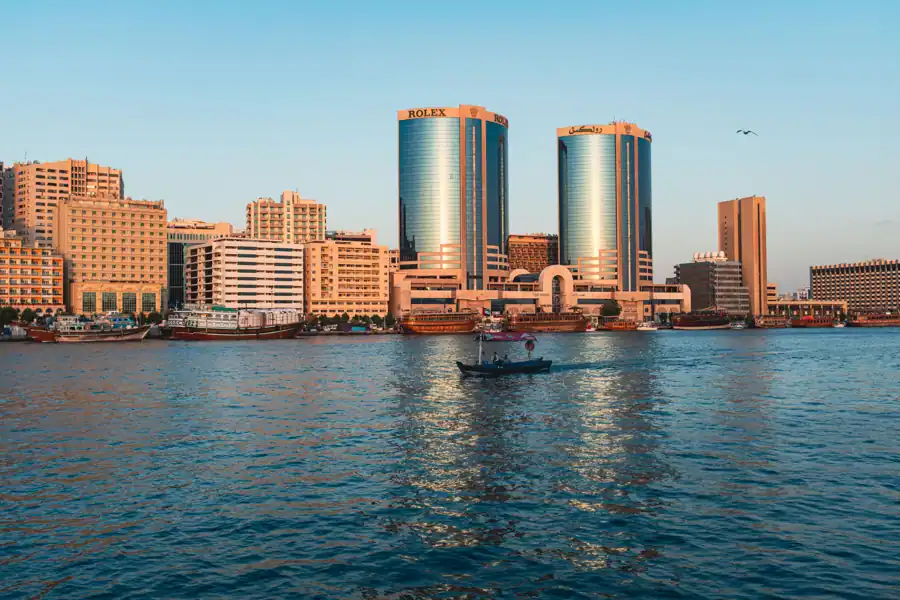
Deira united Arab emirates hotels: a practical guide
Deira is the cheapest way to sleep well in Dubai. It sits on the north bank of Dubai Creek, minutes from the airport, with roughly 228 hotels and othe…

Goa hotels India: a practical guide
Goa has roughly 4,000 hotels and other stays. That is the problem. Pick the wrong beach and you spend your holiday in a taxi. North Goa and South Goa …

Melbourne hotels: how to choose a good one
Melbourne rewards the traveler who picks the right postcode. Choose well and you walk to dinner, coffee and the tram. Choose badly and you spend forty…