
Warsaw hotels: how to choose a good one
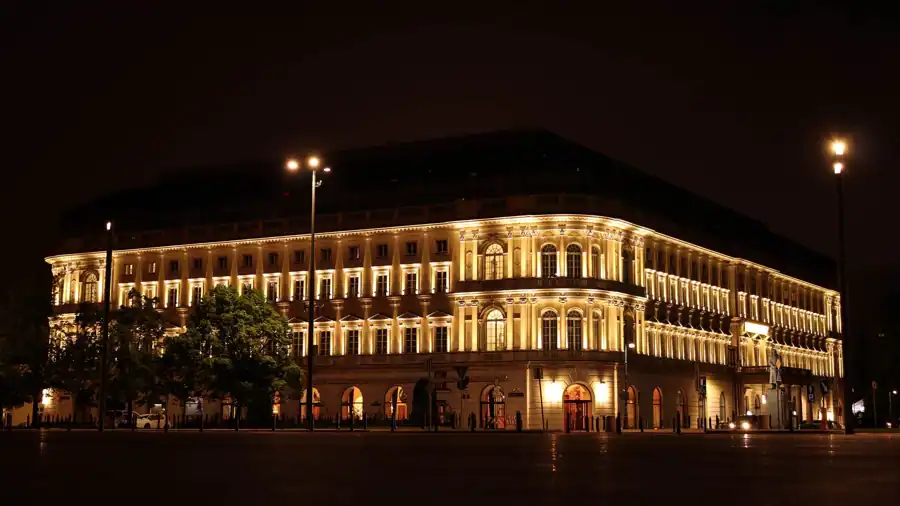
Warsaw has roughly 7,800 hotels and other places to stay. That number is the problem, not the solution.
You can book a room here for about $70 a night, or for $170, and end up in the same city, the same week, sometimes the same street. The difference is rarely the star rating. It's the district, the walk to the nearest tram stop, and whether the "Old Town" in the listing is actually the Old Town. Get those three right and almost any hotel in Warsaw works. Get them wrong and you'll spend your trip on trams.
This guide walks through the districts, the real price bands, and the small listing details that separate a good Warsaw hotel from a cheap one.
The district decides more than the hotel does
Warsaw's tourist core splits into four areas, and each one suits a different kind of trip. Sródmieście is the center: the Palace of Culture, main rail connections, and most of the mid-range and upscale hotels. Śródmieście also contains the Old Town (Stare Miasto), rebuilt after World War II and now a UNESCO site, quieter at night, prettier in photos, and about a 20-25 minute walk from the central station.
Powiśle sits along the river bank just south of the center, home to the Copernicus Science Centre and riverside bars. Włochy and the airport zone (Okęcie) are for early flights and nothing else. And Praga, on the east bank, is the cheapest central option with the fastest-changing restaurant scene.
Notice the pattern in those numbers: moving 15 km out of the center saves you almost nothing. The airport-area hotels and the far-flung ones cost roughly the same as a central apartment-style hotel, and you pay the difference in taxi fares. Location is the one thing you cannot upgrade after check-in.
What a hotel room in Warsaw actually costs
Warsaw is not an expensive hotel city by Western European standards, but the spread inside the city is wide. Budget rooms in outer districts and near the airport start around $70-75 per night for two adults. Central mid-range properties, the kind with a good location, free Wi-Fi and fast check-in, run roughly $160. Upscale and design hotels in Sródmieście land near $170 and climb from there.
Two things move those numbers more than the hotel's own quality. First, season: late spring through early autumn and the December market period push central rates up sharply, while January and February are the cheapest months. Second, booking window, Warsaw fills up around major trade events and concerts, and a hotel that costs $90 on a Tuesday can ask triple that during a sold-out week.
If your dates are flexible, shifting a trip by two weeks often matters more than switching hotels. If they aren't, book early and treat the rate as fixed.
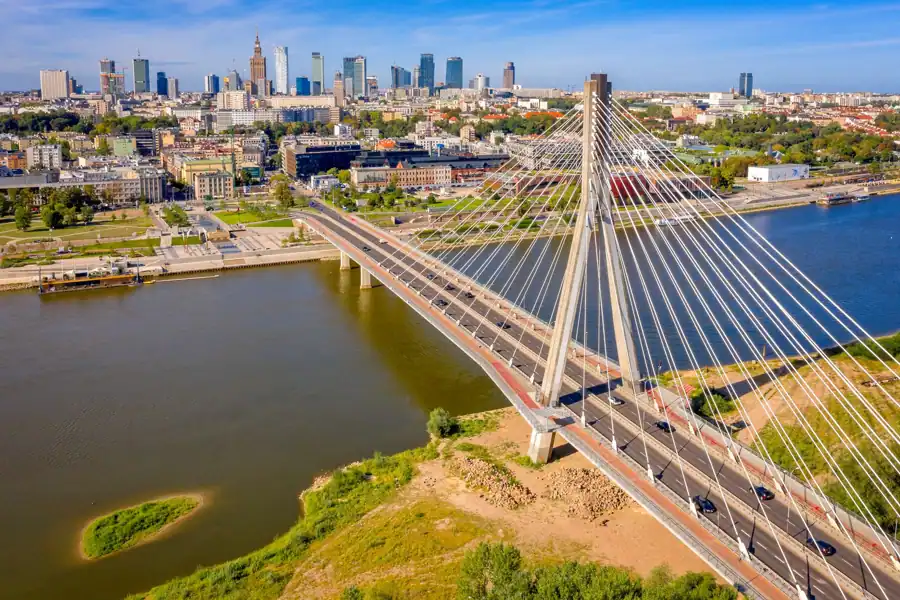
Photo: Wojciech Wyszkowski · Pexels
How to read Warsaw hotel reviews properly
Guest scores in the 9.0-9.6 range are common in Warsaw, so a high number alone tells you little. What matters is what the reviews repeat. A hotel with 3,297 reviews and a 9.6 score is not three times better than one with 1,045 reviews and a 9.0, it's just more heavily booked, which usually means a more established operation.
Read for these instead:
- Repeat complaints. One mention of street noise is nothing. Ten mentions of street noise is a room on a tram line.
- Review dates. A hotel that was renovated two years ago will still carry old complaints about dated rooms. Check whether the negative reviews predate the refurbishment.
- Reviewer origin and expectations. Guests arriving from neighboring countries often judge breakfast and parking; long-haul guests judge English-speaking staff and air conditioning. Both are useful, for different reasons.
- What "central" means in practice. A listing under 1 km from a landmark is genuinely walkable. A listing 6 km from Central Station is a taxi ride, every time.
One practical detail worth checking before you book: free private parking appears on many Warsaw listings, and it is a real advantage if you're driving in from another Polish city. It's also the amenity most likely to be full when you arrive.
Match the hotel type to your trip
The right Warsaw hotel depends on why you're there, and the trade-offs are predictable. Use this as a starting filter before you compare individual properties.
| Trip type | What matters most | Best area | Typical rate | Watch out for |
|---|---|---|---|---|
| First visit, sightseeing | Walkability to Old Town and center | Śródmieście / Stare Miasto | $160-175 | Paying for "Old Town" when you're 2 km away |
| Early morning flight | Distance to Chopin Airport | Włochy / Okęcie | $70-80 | Long, expensive rides into the center |
| Budget city break | Total cost including transport | Praga / outer districts | $70-100 | Cheap rooms far from tram lines |
| Business trip | Desk, Wi-Fi, central transit | Sródmieście | $160+ | Event-week price spikes |
| Driving through Poland | Free private parking | Outer districts | $70-90 | Parking that's full on arrival |
If you're comparing Warsaw against other cities on the same trip, the same logic applies elsewhere, a hotel's location relative to what you actually came to see, not its star rating, is what you're paying for.
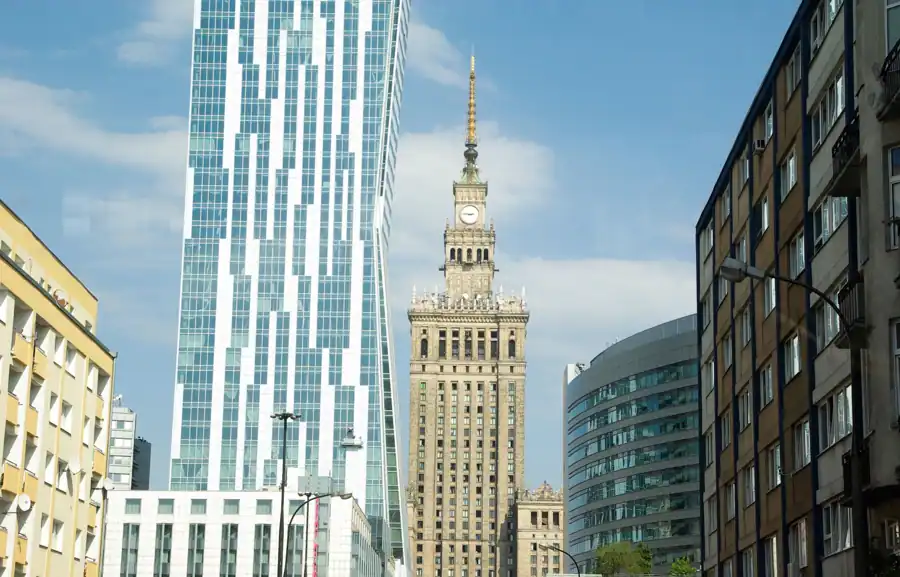
Photo: Pixabay · Pexels
Five booking mistakes that cost you in Warsaw
Most disappointing Warsaw stays trace back to the same handful of decisions, and all of them are visible before you pay.
- Booking by star rating alone. A four-star hotel 15 km out is a worse base than a three-star in Śródmieście for the same money.
- Trusting the neighborhood name in the listing. "Warsaw" covers the whole city. Check the distance to the nearest metro or tram stop, not to the city center.
- Ignoring the airport transfer cost. A $70 room near the airport plus two taxi rides can cost more than a $160 room you can walk from.
- Booking a non-refundable rate for a flexible trip. Warsaw's event calendar moves rates fast; the small saving rarely justifies the risk.
- Skipping the air conditioning filter. Summer in Warsaw gets genuinely hot, and older buildings often don't have it.
None of these require local knowledge to avoid. They require reading the listing the way a local would.
Frequently asked questions
What is the best area to stay in Warsaw?
For a first visit, Śródmieście, the city center, is the safest choice, because you can walk to the main sights and reach everything else by tram or metro. The Old Town inside it is prettier and quieter but slightly further from the central rail station. Choose Praga if budget matters more than convenience.
How much is a hotel room in Warsaw?
Expect roughly $70-75 per night for two adults in outer districts and near the airport, around $160 for a well-located central mid-range hotel, and $170 and up for upscale properties in Sródmieście. Prices rise sharply in summer and during major events.
Are hotels expensive in Poland?
No, Poland is generally cheaper than Western Europe for hotels, food and transport. Warsaw is the most expensive city in the country, but central rooms still cost noticeably less than comparable rooms in Berlin, Vienna or Prague.
Should I stay near Warsaw Chopin Airport?
Only if you have a very early departure or a long layover. Airport-area hotels sit about 6 km from Central Station, which is a real taxi ride each time you want to go into the city. For a normal city break, stay central and take one transfer on arrival day.
Is free parking common at Warsaw hotels?
It's more common than in most Western European capitals, especially in outer districts and at airport hotels. If you're driving, filter for free private parking, but confirm availability when you book, since spaces are limited.
When is the cheapest time to book a Warsaw hotel?
January and February are the cheapest months, outside New Year. Late spring through early autumn is peak season, and rates also spike around trade fairs and concerts. Booking several weeks ahead helps most during those periods.
More on the site
Read next

A practical guide to hotels in China
If you're traveling from Japan to China right now, the headlines are loud. But here's what actually matters at the front desk: your reservation, your …

A practical guide to hotels in Ubud
Where to stay in Ubud: the short answer Ubud sits in the uplands of Greater Denpasar and functions as Bali's cultural centre, which is why so many tra…
Where to stay in Melbourne, Australia
Melbourne is a city of distinct neighbourhoods, and where you book will shape your trip more than the hotel brand itself. The CBD puts you in the midd…