Where to stay in Melbourne, Australia
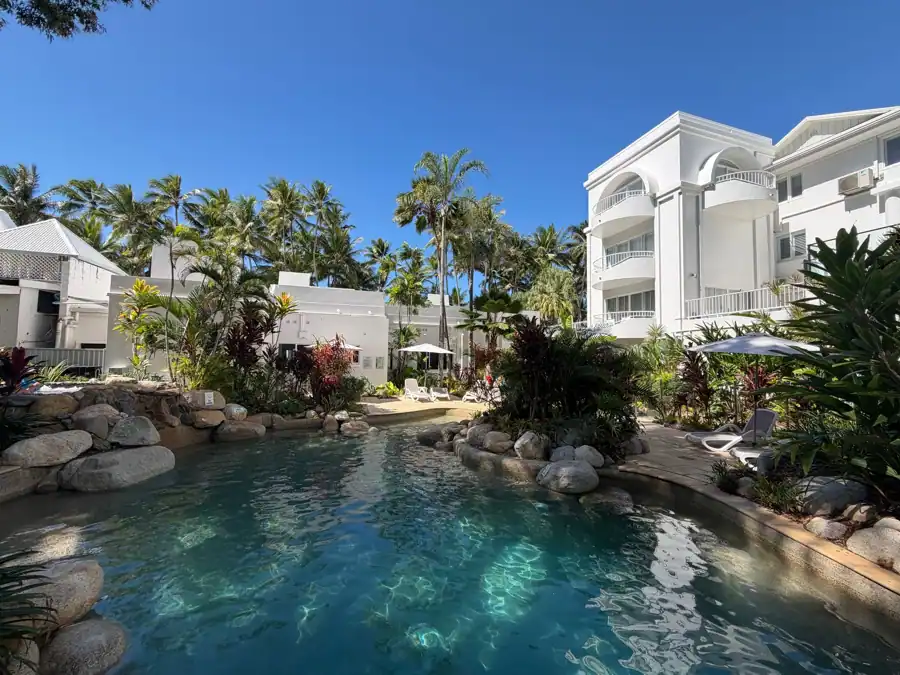
Melbourne is a city of distinct neighbourhoods, and where you book will shape your trip more than the hotel brand itself. The CBD puts you in the middle of the grid, trams, and laneway coffee. Southbank and Docklands trade character for river views and quiet nights. Fitzroy and Collingwood give you bars, galleries and a slower residential rhythm. St Kilda is the beach option, about 6 km south of the centre. Pick the area first, then the property.
What is the best area to stay in Melbourne, Australia?
Melbourne CBD
The central grid is the default for first visits. Bourke Street, Collins Street and Swanston Street carry the retail core, the tram network converges here, and Flinders Street Station sits at the southern edge. You can walk to the Queen Victoria Market, the laneway coffee strip, and the arts precinct on St Kilda Road without touching a tram. The trade-off is noise and price: this is the most expensive patch of the city for accommodation, and rooms facing major streets need good glazing.
Southbank and Docklands
Southbank runs along the Yarra opposite the CBD, anchored by the Crown complex and a line of restaurants facing the water. Docklands sits further west, newer and quieter, with the Melbourne Marriott Hotel Docklands among the properties out that way. Both suit travellers who want river or skyline views and don't mind a 10 to 20 minute walk to the centre. Docklands in particular can feel empty on weeknights, which is either a feature or a problem depending on what you want.
Fitzroy, Collingwood and Carlton
North of the CBD, these suburbs are the cultural counterweight to the grid. Gertrude Street and Smith Street in Fitzroy and Collingwood carry the bar and gallery density; Carlton has Lygon Street and the university. Boutique and converted terrace accommodation dominates rather than big international brands. Trams on Brunswick Street and Smith Street run into the city in roughly 15 to 25 minutes.
St Kilda and the bayside
St Kilda is the classic seaside stay, with the beach, Luna Park and Acland Street's cake shops. It's about 6 km from the CBD, reachable by tram in around 25 to 30 minutes. Good for travellers who want a beach on the doorstep and don't need to be in the centre every day. The nightlife strip can be loud, so check whether your room faces the street.
Around the MCG and sports precinct
If your trip is built around the cricket, the Australian Open or AFL fixtures, staying near Richmond, Jolimont or East Melbourne shortens the walk home considerably. This area is quieter than the CBD and still within a short tram or train ride of the centre.
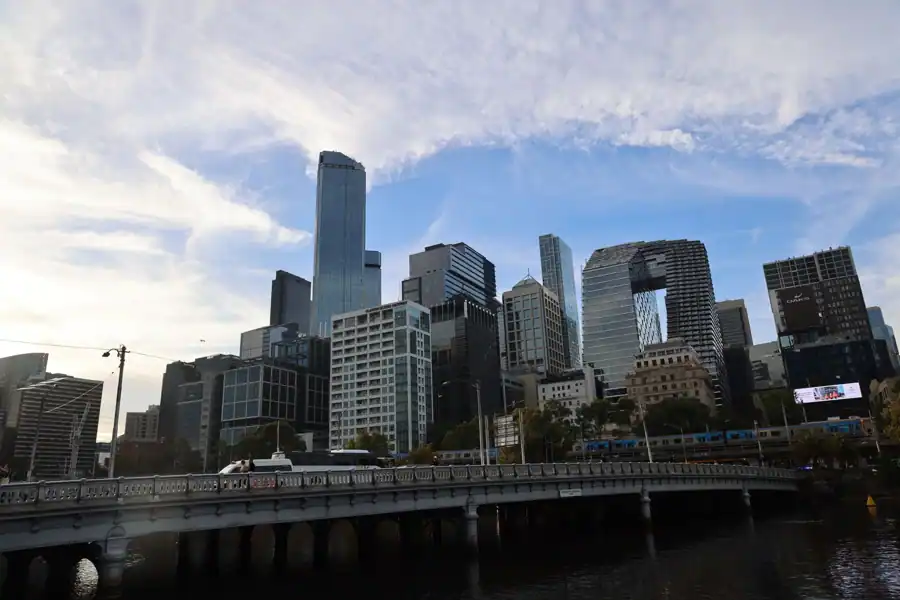
Photo: Bhullar Graphic · Pexels
What is the nicest hotel in Melbourne, Australia?
There is no single answer, because "nicest" depends on whether you weight service, design, views or location. What is true is that Melbourne's top tier is concentrated in the CBD and Southbank, with a growing cluster in Docklands.
At the luxury end, the city's best-known properties sit on Collins Street and around the Paris end of the CBD, alongside the Crown complex in Southbank. These are the addresses that compete on suites, spas and restaurants rather than on price. The Melbourne Marriott Hotel Docklands represents the newer waterfront direction, and the broader Marriott group has a Melbourne city presence as well. Exact property names, addresses and current ratings are worth checking directly, since hotel flags and refurbishments change.
For design-led mid-range stays, look at converted warehouses and terrace houses in Fitzroy, Collingwood and the CBD's laneway blocks. These often deliver more character per dollar than a standard five-star room.
A practical filter: decide whether you want a pool, a gym, a club lounge or a kitchenette, then compare within your area. Melbourne's best hotels are rarely the ones with the biggest lobbies.
What is the average cost of a hotel in Melbourne?
The brief does not contain a verified price range for Melbourne hotels, so any figure quoted here would be guesswork. Top search results advertise nightly rates from around 53 to 57 US dollars, but those are promotional lead-in prices for specific dates, not averages, and they typically exclude taxes and apply to the least desirable room in the property.
What you can rely on is the shape of the market rather than a number:
- CBD and Southbank command the highest rates, especially during the Australian Open in January and major events at the MCG.
- Fitzroy, Collingwood, Carlton and St Kilda generally undercut the centre for comparable quality.
- Docklands and the airport precinct sit at the cheaper end, with the trade-off being distance.
- Weekend rates in Melbourne can run higher than weeknights, the reverse of many business cities.
Check live rates for your specific dates before budgeting. Treat any advertised "from" price as a floor, not an average.
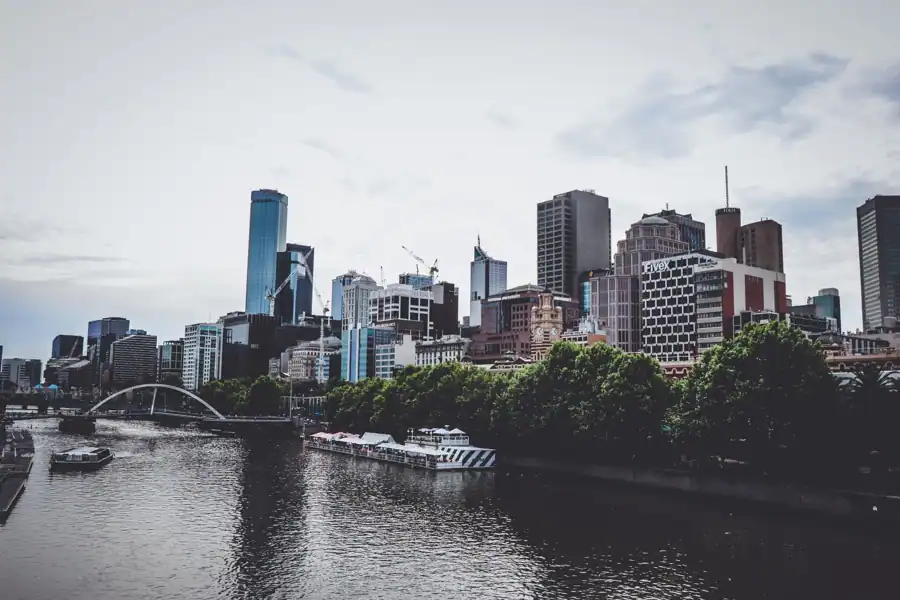
Photo: Hugo Heimendinger · Pexels
What is the best month to visit Melbourne, Australia?
Melbourne sits in the southern hemisphere, so seasons run opposite to Europe and North America. Summer is December to February, autumn March to May, winter June to August, spring September to November.
Summer brings the Australian Open and the hottest, busiest conditions. Autumn is widely regarded as the most comfortable stretch, with mild temperatures and the city at its most settled. Winter is cool and grey but cheap, and it's the season for football at the MCG and the city's bar and restaurant scene. Spring is changeable and windy.
Melbourne is famous for four seasons in one day, and that reputation is earned. Pack layers regardless of the month. The brief does not contain specific temperature figures, so check a climate table before you book.
How many days in Melbourne is enough?
Three full days covers the essentials: one day for the CBD grid, laneways and Queen Victoria Market; one for the museum and arts precinct plus Southbank; one for St Kilda or a day trip. Four to five days lets you add the Great Ocean Road, the Yarra Valley or the Mornington Peninsula without rushing.
If you're combining Melbourne with the rest of the country, remember the scale. Australia has a land area of 7,688,287 km², making it the sixth-largest country in the world, and it is the world's flattest and driest inhabited continent. Internal flights between cities are long. Two weeks is a reasonable minimum for a Melbourne plus Sydney plus one more region trip.
FAQ
What is the best area to stay in Melbourne for a first visit?
The CBD is the safest first choice. Trams, trains, the retail core, the laneways and the Queen Victoria Market are all walkable, and you won't lose time commuting. If you want river views instead, Southbank is a short walk across the bridge. St Kilda suits beach-focused travellers but adds a 25 to 30 minute tram ride to the centre.
Is Melbourne expensive for hotels?
It sits among the pricier Australian cities for accommodation, particularly in the CBD and Southbank during event periods. Suburbs like Fitzroy, Collingwood, Carlton and St Kilda usually offer better value for comparable quality. The brief does not include a verified average nightly rate, so check live prices for your dates rather than relying on advertised lead-in figures.
Which month should I avoid?
There is no month to avoid outright, but January is the most expensive and busiest because of the Australian Open, and winter (June to August) is cool and grey. If you want mild weather and lower demand, aim for autumn (March to May) or spring (September to November), accepting that Melbourne's weather changes fast in any season.
Do I need a car in Melbourne?
No, and in the CBD it's a liability. Trams, trains and buses cover the city and inner suburbs well, and parking is expensive. You only need a car for regional trips like the Great Ocean Road or the Yarra Valley, and it's usually cheaper to hire one for those days specifically than to keep it for the whole stay.
The short version
Choose the area before the hotel. CBD for a first trip and maximum convenience, Southbank or Docklands for water views and quieter nights, Fitzroy and Collingwood for bars and character, St Kilda for the beach. Melbourne's nicest hotels cluster in the CBD and Southbank, but the best value often sits in the inner suburbs. Budget by checking live rates rather than advertised "from" prices, aim for autumn or spring if weather matters to you, and give the city at least three full days. Remember that Australia is vast and mostly dry, so any multi-city itinerary needs more time than the map suggests.
More on the site
Read next

A practical guide to hotels in Berlin
Where to stay in Berlin: the area decides the trip The best area to stay in Berlin depends on why you are coming. Mitte puts you within walking distan…